Integrating the Beer Glass Cheer SVG Cut File into Your Creative Workflow
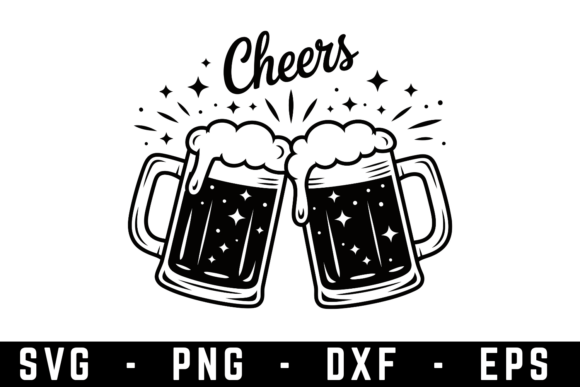
In the modern landscape of digital fabrication and handmade commerce, efficiency is not merely a preference; it is a necessity. Whether you are running a small Etsy shop, managing a local print-on-demand service, or simply engaging in high-volume hobbyist crafting, the assets you choose form the backbone of your production pipeline. The Beer Glass Cheer Svg Svg Cut File represents more than just a graphical element; it is a versatile component designed to streamline the creation of themed merchandise. By understanding how to effectively integrate this asset into your broader design and manufacturing processes, you can reduce prep time, ensure consistency across product lines, and elevate the perceived value of your final goods.
Strategic Asset Selection for Themed Product Lines
Successful creative projects begin long before the cutting blade hits the vinyl or the printer head moves across the substrate. They start with strategic asset selection. The Beer Glass Cheer Svg Svg Cut File is specifically engineered for contexts involving celebration, social gatherings, and leisure. When planning a seasonal campaign—such as summer BBQ promotions, St. Patrick’s Day specials, or bachelor party packages—having a pre-vetted, high-quality vector file allows you to bypass the time-consuming initial sketching phase. Instead of drafting complex illustrations from scratch, you can immediately move to the customization stage.
This approach fits seamlessly into a professional workflow where time-to-market is critical. By utilizing a ready-made SVG, you ensure that the foundational geometry of the design is sound. Vector graphics, by definition, are resolution-independent, meaning the lines remain crisp whether you are producing a small sticker for a water bottle or a large decal for a storefront window. This scalability is crucial for maintaining brand quality across diverse mediums without the need for multiple file versions.
Technical Compatibility and File Management
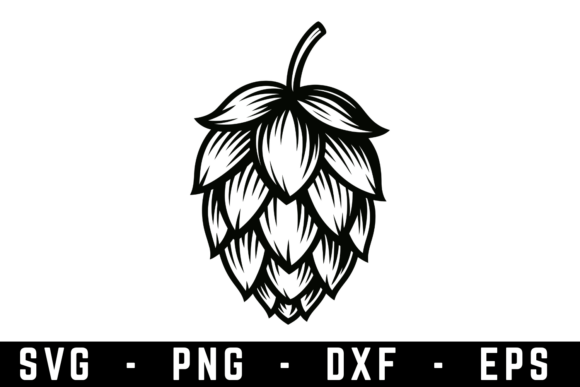
One of the most significant advantages of purchasing a comprehensive digital package, such as the one containing the Beer Glass Cheer design, is the inclusion of multiple file formats. A typical delivery includes a ZIP folder containing SVG, PNG, EPS, and DXF files. Each format serves a distinct purpose within the production ecosystem, and understanding their specific applications is key to efficient workflow management.
- SVG (Scalable Vector Graphics): This is the primary format for most modern cutting machines, including Cricut Design Space and Silhouette Studio. It retains editability, allowing you to change colors, separate layers, or resize without quality loss.
- PNG (Portable Network Graphics): Ideal for sublimation printing or direct-to-garment (DTG) processes where a transparent background is required. It is also useful for digital mockups on e-commerce platforms.
- EPS (Encapsulated PostScript): Preferred by professional graphic designers using Adobe Illustrator or CorelDRAW. This format ensures maximum compatibility with industry-standard design software for further manipulation.
- DXF (Drawing Exchange Format): Essential for users of older software versions or specific CAD-based cutting systems that do not natively support SVG imports.
Proper file management begins with extraction. Upon downloading the ZIP folder, you must unzip the contents to access the individual assets. As noted in standard technical guidelines, software such as WinZip or 7-Zip is recommended for this task. Once installed, right-clicking the archive and selecting “Extract All” organizes the files into a accessible directory. Establishing a consistent folder structure for your digital assets—perhaps organizing by theme, holiday, or product type—prevents bottlenecks during busy production periods.
Implementation Across Diverse Substrates
The versatility of the Beer Glass Cheer SVG lies in its adaptability to various materials. A robust business model often relies on offering the same design across multiple product categories to maximize return on investment for each design asset. Here is how this specific cut file interacts with different manufacturing methods:
Vinyl Decals and Hard Surfaces
For hard goods like tumblers, mugs, and wood signs, adhesive vinyl is the standard medium. The clean lines of the beer glass illustration ensure that intricate details, such as foam heads or clinking angles, cut cleanly without weeding difficulties. When applying these decals to curved surfaces like tumblers, using a flexible vinyl material is advisable. The process involves cutting the SVG, weeding the excess material, and using transfer tape to position the design accurately. Consistency in application pressure and alignment is vital for a professional finish.
Textile and Apparel Production
When transferring the design to T-shirts or tote bags, heat transfer vinyl (HTV) is the preferred method. The SVG format allows you to mirror the image before cutting, a critical step for HTV applications. Layering colors can add depth to the beer glass motif, perhaps using amber tones for the liquid and white for the foam. For educators or community organizers creating event shirts, this file offers a quick turnaround solution that looks professionally printed rather than homemade.
Paper Crafts and Party Décor
Beyond durable goods, the PNG and SVG files are excellent for paper-based projects. Cardmakers can use the design for die-cutting layered greeting cards, while event planners might incorporate it into banner flags or cupcake toppers. The scalability of the vector file ensures that even when shrunk down to ornament size, the design remains legible and aesthetically pleasing.
Quality Control and Customization
While pre-made files offer convenience, they should not result in generic outputs. To maintain a competitive edge, customization is essential. The Beer Glass Cheer Svg Svg Cut File serves as a base layer upon which you can build unique variations. For instance, adding personalized names, dates, or inside jokes using text tools in your design software transforms a standard clipart into a bespoke product. This level of personalization increases perceived value and allows for higher pricing tiers.
Quality control extends beyond the digital realm. Before committing to a full production run, always perform a test cut. Check for any unintended nodes or overlapping paths in the SVG that might cause the cutting machine to stutter. Verify that the dimensions match your intended product size. For wood signs, ensure that the bridge points (small connections keeping letters or shapes attached) are sufficient to hold the design together during handling but small enough to be easily sanded away post-application.
Long-Term Workflow Integration
Integrating assets like the Beer Glass Cheer SVG into your long-term workflow requires discipline. Maintain a library of licensed designs, ensuring you have the commercial rights to use them in products you sell. Keep backups of your original files and your customized versions. Over time, you will develop a repertoire of reliable assets that can be mixed and matched for various campaigns. This library becomes a valuable business asset, reducing the cognitive load of starting from zero for every new project.
Furthermore, consider the marketing angle. High-quality visuals derived from these SVGs can be used in social media posts, email newsletters, and website banners. The PNG included in the package allows for quick mockup generation, helping you visualize the final product before physical production begins. This pre-visualization step reduces waste and ensures that you are only producing items with confirmed market appeal.
In conclusion, the Beer Glass Cheer Svg Svg Cut File is a practical tool for creators who value efficiency and quality. By understanding its technical specifications, integrating it into a structured file management system, and applying it across diverse substrates with attention to detail, you can enhance your production capabilities. Whether you are crafting for personal enjoyment or scaling a handmade business, the thoughtful implementation of such digital assets supports a sustainable, professional, and creative workflow.